New
On the Road to Cleaner Air
21. 09. 2026
 Mobility
Stricter European limits for air pollutants, which will come into force in 2030, highlight the need to identify concrete measures to reduce emissions in the transport sector as well. On 16 September, a working group dedicated specifically to transport met to discuss ways of reducing emissions, promoting sustainable mobility and, at the same time, taking into account the social and financial impacts on residents.
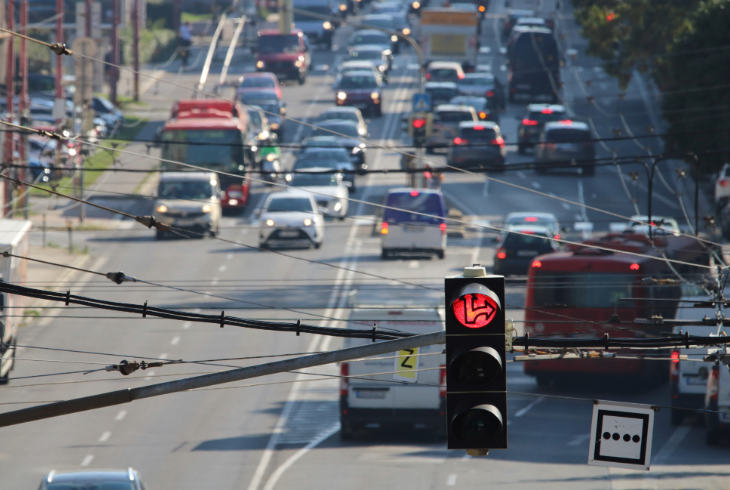
Transport is one of the significant sources of air pollution, particularly in cities with high levels of private car traffic. Key challenges include an ageing vehicle fleet, the slower development of electromobility, insufficient infrastructure for public transport, cyclists and pedestrians, and poor connections between different modes of transport.
The solutions discussed included low-emission zones, parking policies, support for public and integrated transport, cycling and pedestrian infrastructure, school zones, intelligent transport systems and shared mobility. Financial instruments and support for low-emission transport are also expected to play an important role.
Members of the working group emphasised the need for evidence-based decision-making. It is important to monitor traffic volumes, vehicle fleet composition, residents' travel habits and trends in air quality. According to the discussion, measures should be coordinated across government departments and local authorities, while also taking into account the availability of public transport and potential social impacts on residents.
Electromobility was also discussed. While it is part of the solution, reducing the intensity of private car traffic, developing public and rail transport, and improving conditions for alternative modes of transport are equally important.
The working group's findings will serve as input for the Air Quality Roadmap, a strategic document setting out measures and policies to reduce air pollution. The group's next steps will include sharing data, supplementing proposals with regional and national measures, and identifying potential funding opportunities.